


The Challenge: From Digital Speed to Physical Gridlock
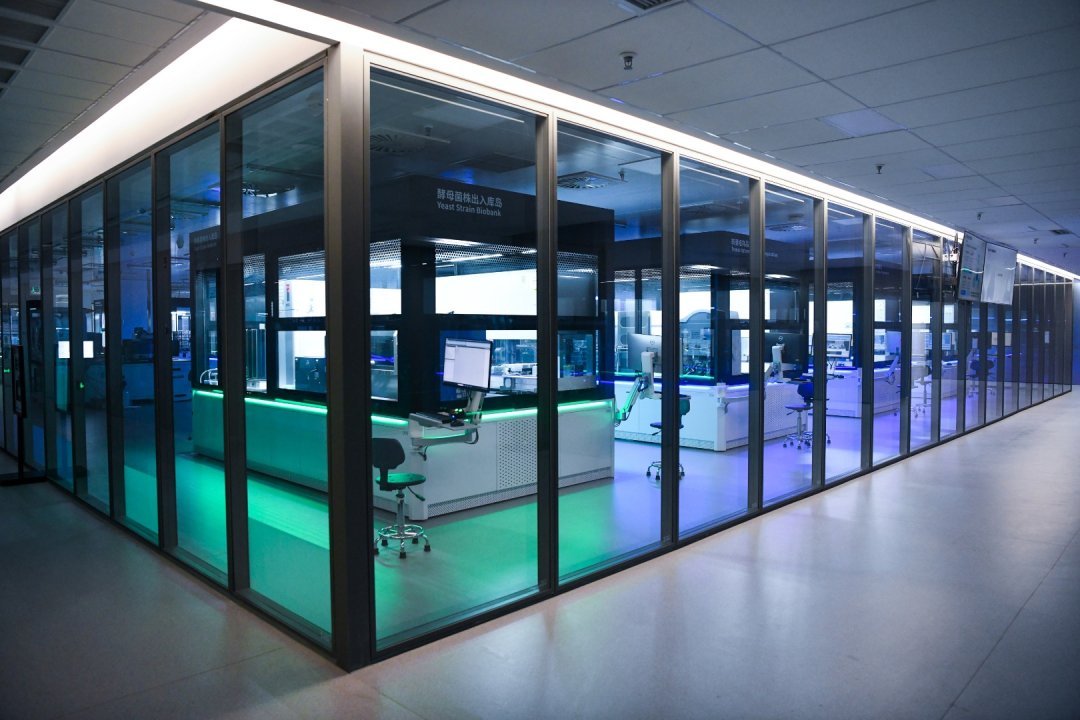
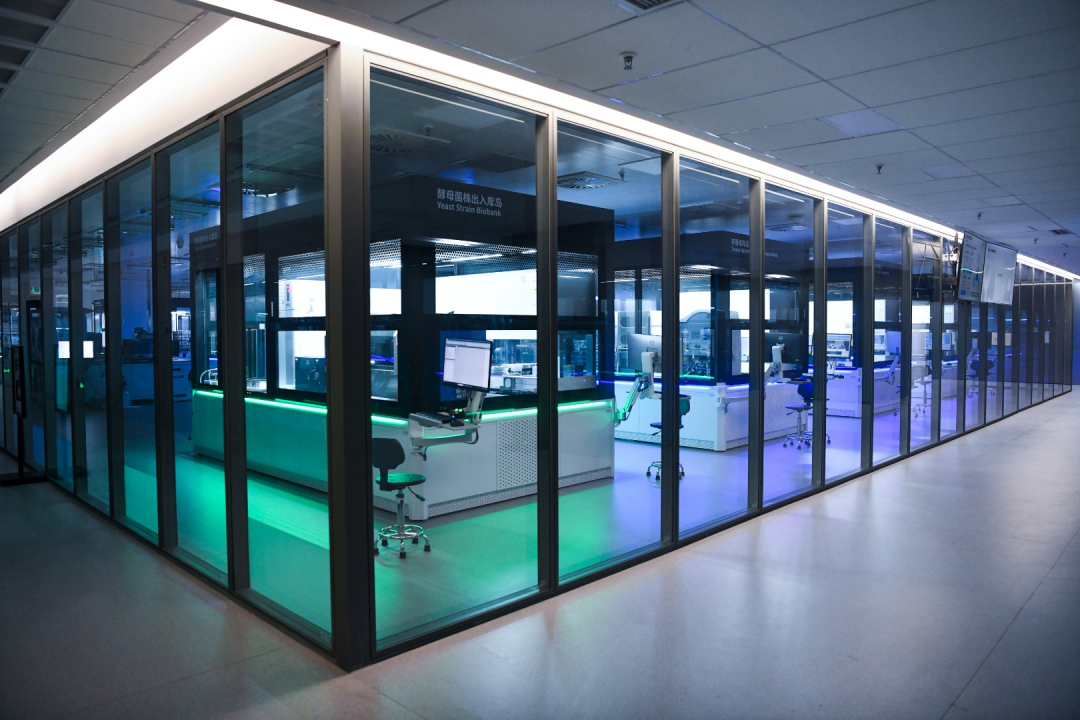
The field of protein engineering is undergoing a profound transformation, driven by the power of artificial intelligence. Generative AI models like RFdiffusion and ProteinMPNN can now design novel proteins with unprecedented speed and sophistication, creating vast libraries of digital blueprints for new enzymes, therapeutics, and materials. However, this computational leap has exposed a critical bottleneck: the physical process of producing and testing these designs remains slow, expensive, and laborious.
Historically, protein production platforms have evolved from manual, single-protein workflows to semi-automated systems. Pioneering efforts, such as those by the Midwest Center for Structural Genomics, introduced parallel purification protocols that could process a few dozen proteins per week [1]. More recently, fully integrated robotic platforms have emerged, aiming for end-to-end automation [2]. Yet, these advanced systems often require significant capital investment and specialized expertise, keeping them out of reach for many academic labs. This disparity between the rapid pace of in silico design and the slow pace of experimental validation has become the primary obstacle to realizing the full potential of AI in protein science, hindering the crucial "Design-Build-Test-Learn" (DBTL) cycle.
A Breakthrough Platform for High-Throughput Validation
A recent preprint introduces a semi-automated platform that directly confronts this bottleneck, offering a pragmatic and powerful solution that balances throughput, cost, and accessibility. The work, centered on two core innovations named SAPP and DMX, re-engineers the entire workflow from DNA to characterized protein, enabling researchers to bridge the gap between computational design and empirical data.
The SAPP Workflow: Speed and Data Richness
The Semi-Automated Protein Production (SAPP) pipeline is designed for speed and efficiency, achieving a 48-hour turnaround from DNA to purified protein with only about six hours of hands-on time. It achieves this through several key optimizations:
- Sequencing-Free Cloning: By leveraging Golden Gate Assembly with a vector containing a "suicide gene" (ccdB), the system achieves a cloning accuracy of nearly 90%. This high fidelity eliminates the need for the time-consuming steps of colony picking and sequence verification, allowing researchers to proceed directly to expression.
- Miniaturized Parallel Processing: The entire expression and purification process is conducted in 96-well deep-well plates. Auto-induction media removes the need for manual induction, and a two-step purification using parallel nickel-affinity and size-exclusion chromatography (SEC) is performed. The SEC step is particularly crucial, as it simultaneously provides data on protein purity, yield, oligomeric state, and dispersity [3].
- Automated Data Analysis: An open-source software tool automates the analysis of thousands of SEC chromatograms, standardizing data output and enabling programmable liquid handlers for subsequent steps.
The DMX Method: Slashing DNA Synthesis Costs
As SAPP dramatically increased throughput, the cost of DNA synthesis emerged as the new limiting factor, accounting for over 80% of the total expense. To solve this, the researchers developed the DMX workflow to construct sequence-verified clones from inexpensive oligo pools. DMX uses a novel isothermal barcoding method to tag each gene variant within a cell lysate, followed by long-read nanopore sequencing to link each barcode to its full-length gene sequence. This process successfully recovered 78% of 1,500 designs from a single oligo pool, reducing the per-design DNA construction cost by 5- to 8-fold.
Validating the Power of Scale
The platform's capabilities were demonstrated in two compelling case studies. First, 96 variants of a fluorescent protein were designed, produced, and characterized in one week, identifying designs with higher yield, enhanced thermal stability, and altered optical properties.
More strikingly, the team designed a potent neutralizer for the Respiratory Syncytial Virus (RSV). They began with a binding protein (cb13) and fused it to 27 different oligomeric scaffolds to create a library of 58 multi-valent constructs. Using SAPP, they rapidly identified 19 correctly assembled and well-expressed multimers. Subsequent viral neutralization assays revealed that the best-performing dimer and trimer achieved IC50 values of 40 pM and 59 pM, respectively. This efficacy is not only a dramatic improvement over the monomer (5.4 nM) but also surpasses that of MPE8 (156 pM), a leading commercial antibody targeting the same site. This result highlights a key insight: the geometry of the multimer is critical, and only a high-throughput platform like SAPP makes it feasible to screen the vast combinatorial space required to discover such optimal configurations.
The Dawn of a Data-Driven Era in Protein Engineering
The introduction of the SAPP and DMX platforms signifies more than just an incremental improvement in efficiency; it represents a paradigm shift in how protein engineering can be conducted.
First, by optimizing standard molecular biology techniques rather than relying on expensive, monolithic robotic systems, this approach democratizes high-throughput protein science. It provides a blueprint that can be adopted by most well-equipped labs, accelerating innovation across the entire field.
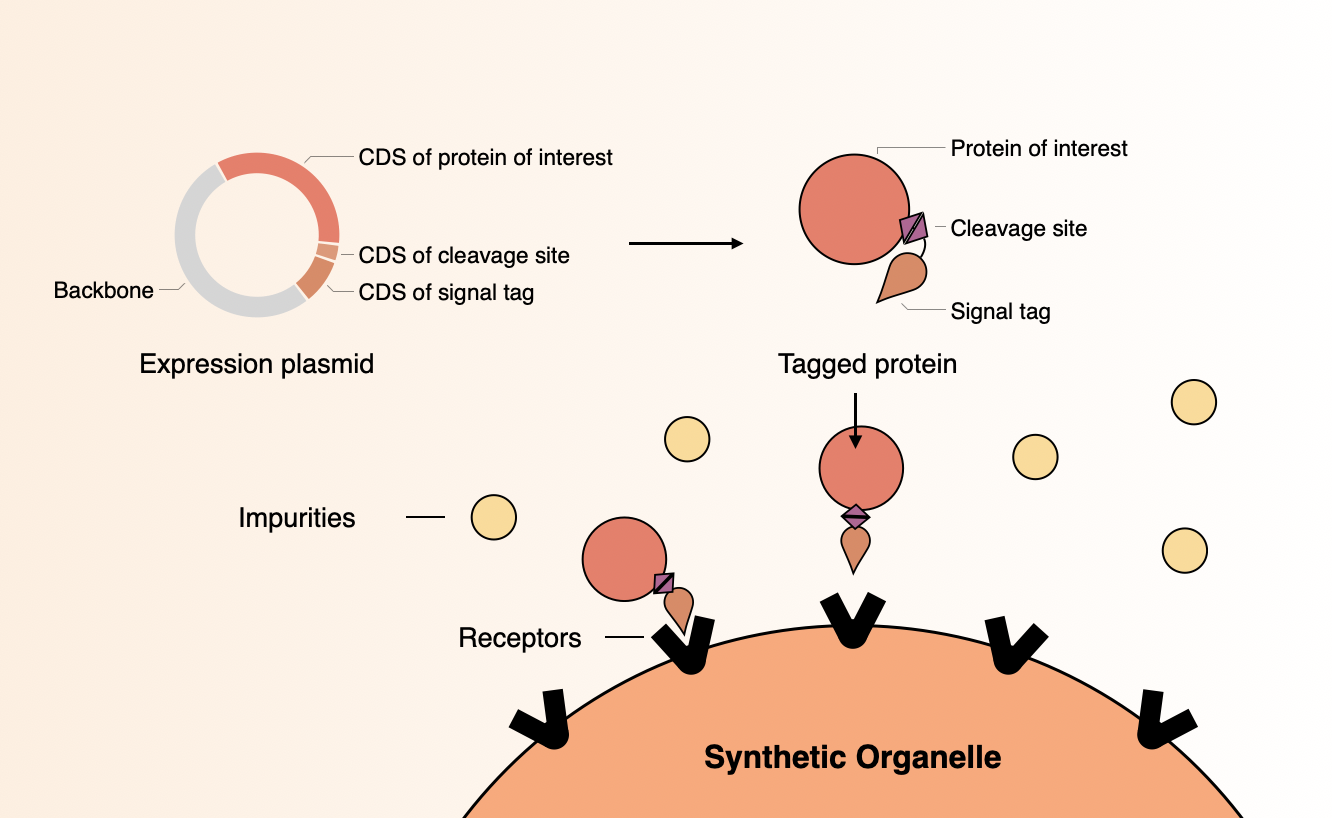
Second, and most importantly, it generates standardized, quantitative, high-quality experimental data at a scale that was previously impractical. This creates a robust feedback loop for AI, providing the essential "fuel" for the DBTL cycle. The ability to test thousands of designs and feed the empirical results back into next-generation models will close the loop between prediction and reality, leading to a true "self-driving" laboratory for protein engineering [4]. This paradigm shift is further supported by emerging commercial platforms that modularize the cycle, from AI-native DNA Coding and Ailurus vec to novel PandaPure.
By building a "highway" for experimental validation, this work paves the way for a new era of protein engineering—one where the creative power of AI is no longer constrained by the speed of the lab. We are now poised to systematically explore vast protein sequence and structure spaces, accelerating the discovery of next-generation therapeutics, enzymes, and biomaterials.
References
- Kim, Y., et al. (2011). The Midwest Center for Structural Genomics: A large-scale pipeline for protein-production and crystallization. Acta Crystallographica Section F: Structural Biology and Crystallization Communications.
- Wang, L., et al. (2023). A fully automated platform for recombinant protein production and purification in E. coli. Current Protocols.
- Kovacs, J. M., et al. (2017). A high-throughput, size-based separation and detection method for protein-protein interaction analysis. Scientific Reports.
- Macdonald, J. T., et al. (2023). A self-driving laboratory for the autonomous discovery of designer proteins. Nature Machine Intelligence.