


The Promise and Problem of Biocatalysis
For decades, biocatalysis has stood as a cornerstone of green chemistry, offering unparalleled selectivity and efficiency under mild conditions. Enzymes, nature's master catalysts, can execute complex chemical transformations that are often difficult to replicate with traditional synthetic methods. However, this power comes with a fundamental limitation: the enzymatic toolkit is a product of biological evolution, tailored for reactions essential to life, not the vast and diverse needs of modern organic synthesis, materials science, or environmental remediation. The central challenge, therefore, has been to break free from these evolutionary constraints and teach enzymes to perform novel, non-natural chemistry.
The Evolutionary Path to Engineered Enzymes
The journey to expand the enzymatic repertoire began with early protein engineering efforts. Scientists successfully repurposed natural enzymes for new substrates, but designing them to catalyze entirely new classes of reactions remained a formidable, often serendipitous, endeavor. The field has since seen significant progress, with researchers developing hybrid catalytic systems that merge the strengths of biocatalysis with photocatalysis, organocatalysis, and electrocatalysis to unlock new reactivity [4]. Concurrently, the discovery of nanozymes has further broadened the definition of a biocatalyst [3].
Despite these advances, the process of creating a new enzyme has largely remained a bottleneck. It is an iterative, labor-intensive cycle of design, construction, and testing. While computational methods and early machine learning models offered some predictive power [5], they often lacked the accuracy and scale needed to transition from empirical trial-and-error to true rational design. The field was poised for a breakthrough that could systematize and accelerate the creation of bespoke biocatalysts.
A Paradigm Shift: The RepArtZymes 2025 Vision
A recent meeting report from the RepArtZymes 2025 conference, authored by Rudi Fasan, crystallizes the dawn of this new era in biocatalysis [1]. The conference highlighted a convergence of strategies aimed squarely at overcoming the historical limitations of enzyme engineering. The vision is no longer just to tweak existing enzymes, but to create a robust framework for generating novel catalytic functions on demand. The key pillars of this new paradigm are:
1. Repurposing and Redesigning Nature's Scaffolds
The first major strategy involves "re-training" nature's existing machinery. Scientists are taking well-understood enzyme families, such as cytochrome P450s, and using directed evolution to coerce them into performing abiological reactions like carbene and nitrene transfers. Pioneering work has demonstrated the synthesis of novel organosilanes and spirocyclic compounds, transformations previously exclusive to synthetic chemistry. This approach leverages the inherent stability and complexity of natural protein folds as a starting point for radical new functions.
2. De Novo Design: Building Catalysts from Scratch
A more ambitious strategy is the de novo design of artificial enzymes. Here, scientists are not modifying an existing enzyme but are instead building a new one from the ground up. This involves computationally designing an active site—often incorporating an artificial metal complex or a non-canonical amino acid—and embedding it within a stable protein scaffold. This "creationist" approach offers limitless potential, effectively allowing chemists to program catalytic function into a protein, moving beyond the chemical vocabulary provided by nature.
3. The Intelligence Engine: AI-Driven Design
Perhaps the most transformative force discussed is the integration of advanced artificial intelligence. The report highlights the profound impact of tools like Google DeepMind's AlphaFold 3, which can now accurately predict not just protein structures but also their complex interactions with cofactors and substrates. This leap in predictive power is fundamentally changing the design process. Instead of relying on slow, evolutionary "guess-and-check" campaigns, researchers can now rationally design mutations and scaffolds with a high degree of confidence. AI is turning the art of enzyme engineering into a predictive science.
The Future is Integrated and Intelligent
The convergence of these strategies—repurposing, de novo design, and AI—heralds a new research paradigm. The RepArtZymes report suggests a future where biocatalysis is no longer confined to mimicking nature but becomes a powerful engine for sustainable innovation. Researchers are already designing artificial metalloenzymes for CO₂ reduction and hydrogen production, tackling key challenges in achieving a carbon-neutral economy [1].
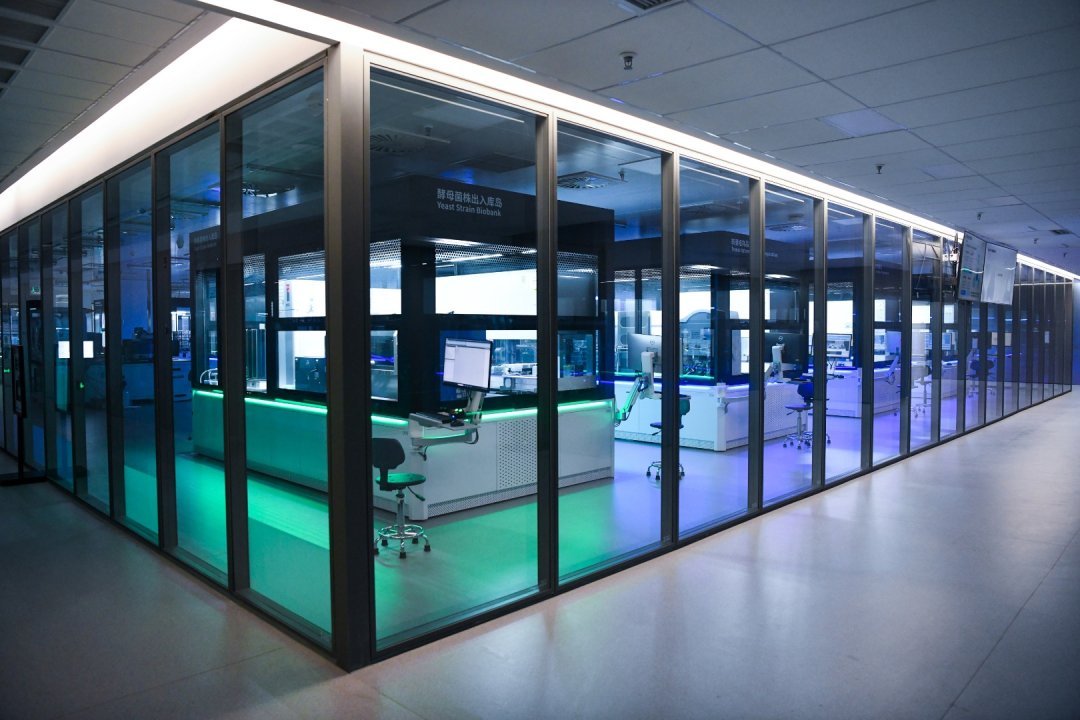
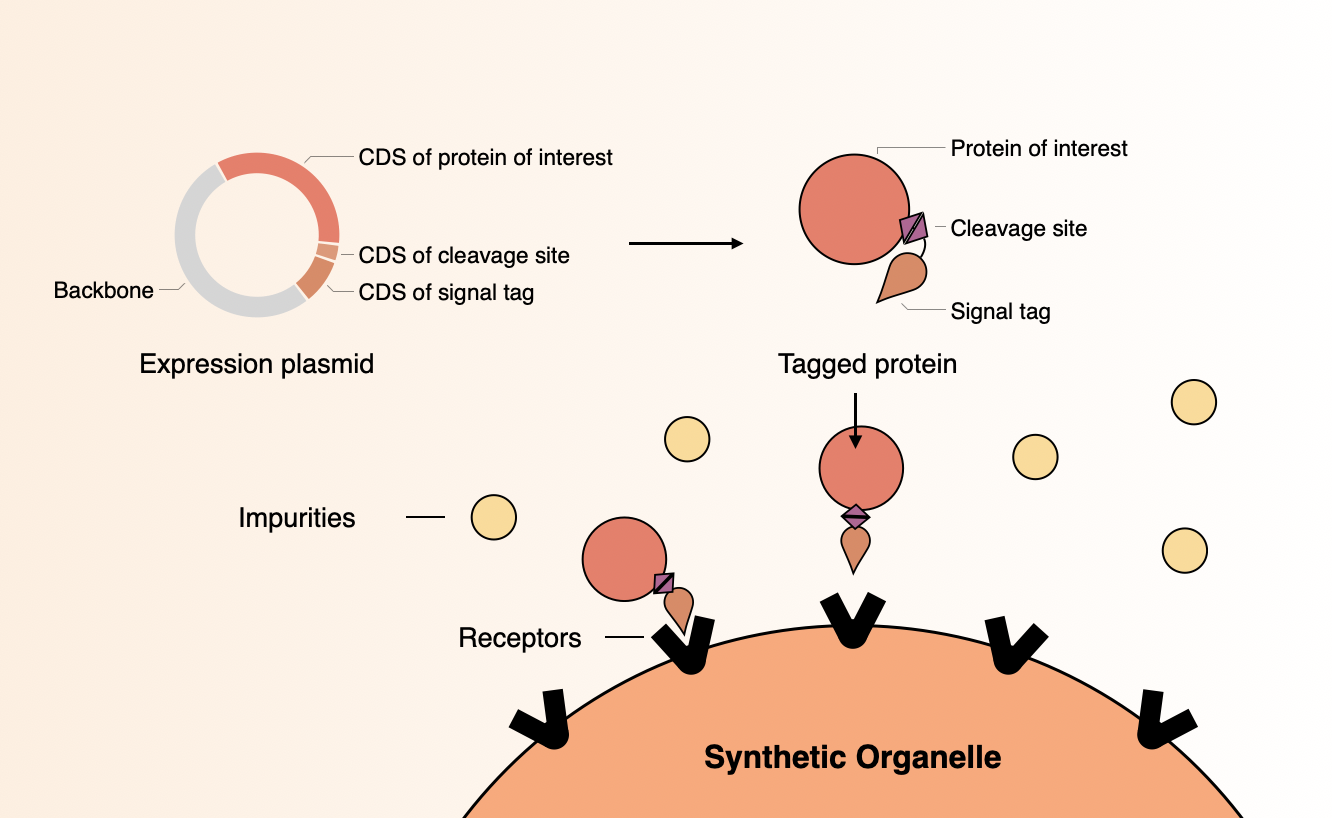
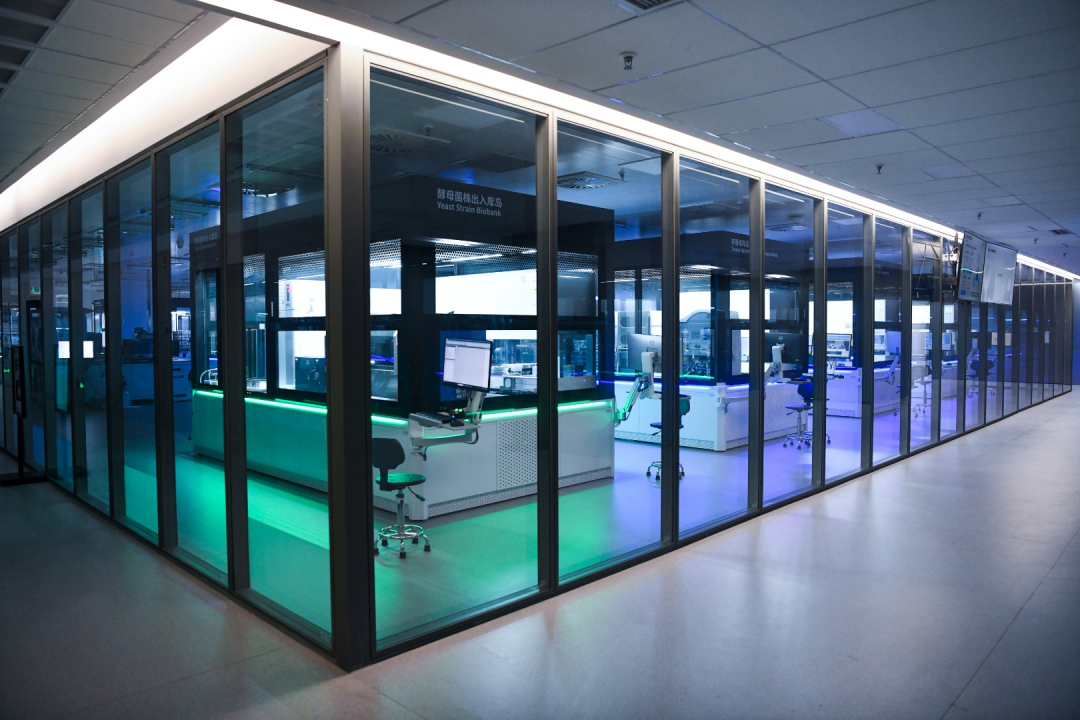
However, a critical bottleneck remains in the design-build-test-learn cycle. While AI accelerates the 'design' phase, the 'build' and 'test' phases—constructing and screening massive libraries of enzyme variants—can be slow and costly. To fully realize the potential of AI-driven engineering, the field requires technologies that can bridge this gap. Platforms are emerging to address this, enabling the rapid construction and screening of vast genetic libraries. For instance, systems using self-selecting vectors can autonomously identify optimal enzyme variants from millions of possibilities in a single experiment, generating the structured, large-scale data needed to power a virtuous AI-bio flywheel. Paired with novel, column-free purification methods, these tools are making the rapid iteration cycle envisioned by the community a practical reality.
By integrating intelligent design with high-throughput synthesis and testing, the field is on the cusp of creating a truly scalable platform for biocatalyst discovery. This will not only accelerate the development of new pharmaceuticals and green chemicals but will also equip us with the tools to engineer biological systems to solve some of humanity's most pressing challenges.
References
- Fasan, R. (2025). Pushing the boundaries of biocatalysis. Nature Catalysis, 8(9), 867-869.
- Anthony, D., et al. (2025). An engineered enzyme for nucleophilic aromatic substitution. Nature.
- Wu, J., et al. (2025). Expanding the biocatalytic scope of nanozymes beyond oxidoreductase-like activities. Nature Communications.
- Schrittwieser, J. H., & Velikogne, S. (2025). Hybrid catalytic systems integrating biocatalysis with photo-, organo-, and electrocatalysis. Current Opinion in Green and Sustainable Chemistry.
- Wittmann, B. J., & Arnold, F. H. (2025). Advances in predictive biocatalysis using machine learning. Current Opinion in Chemical Biology.