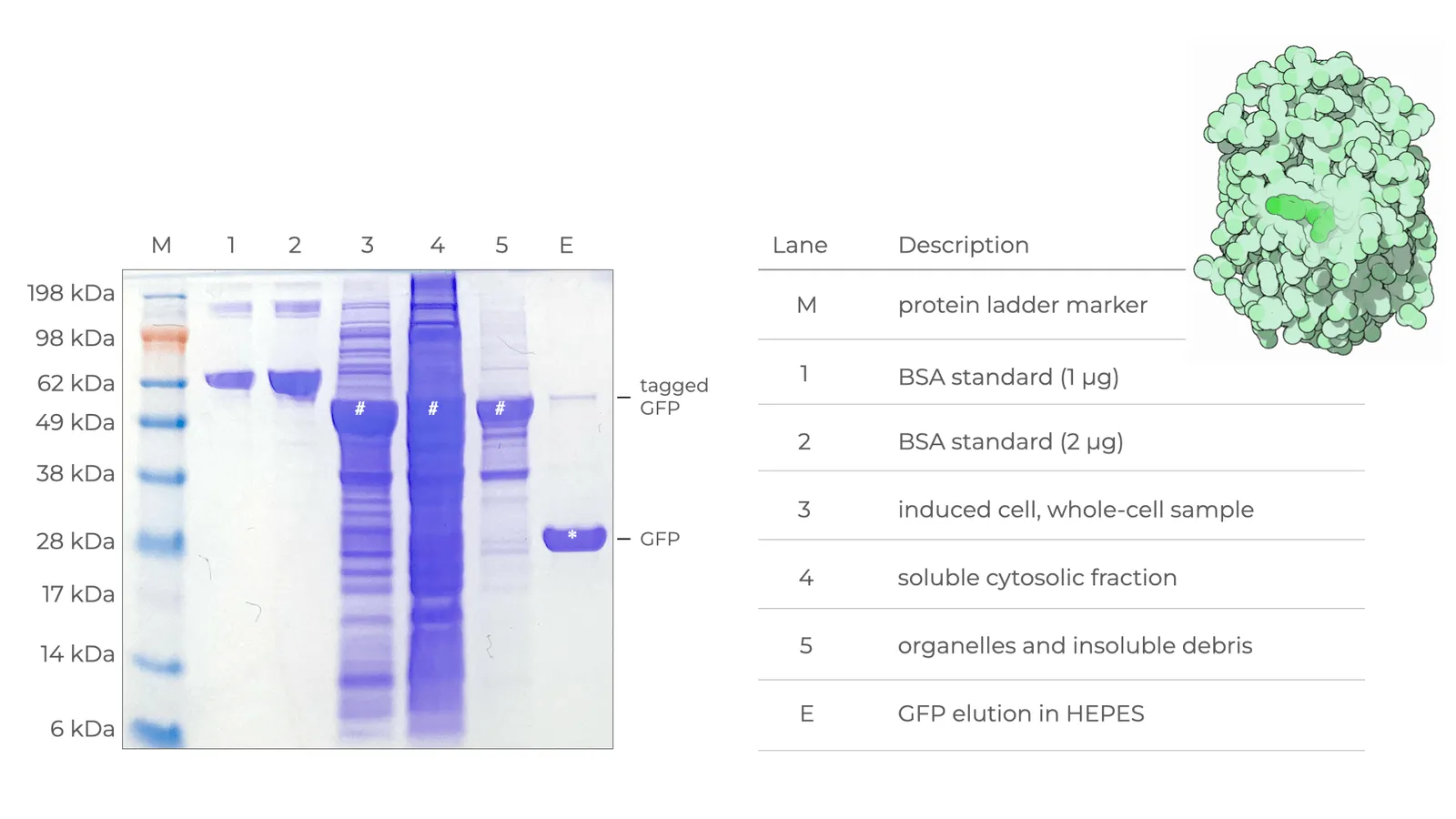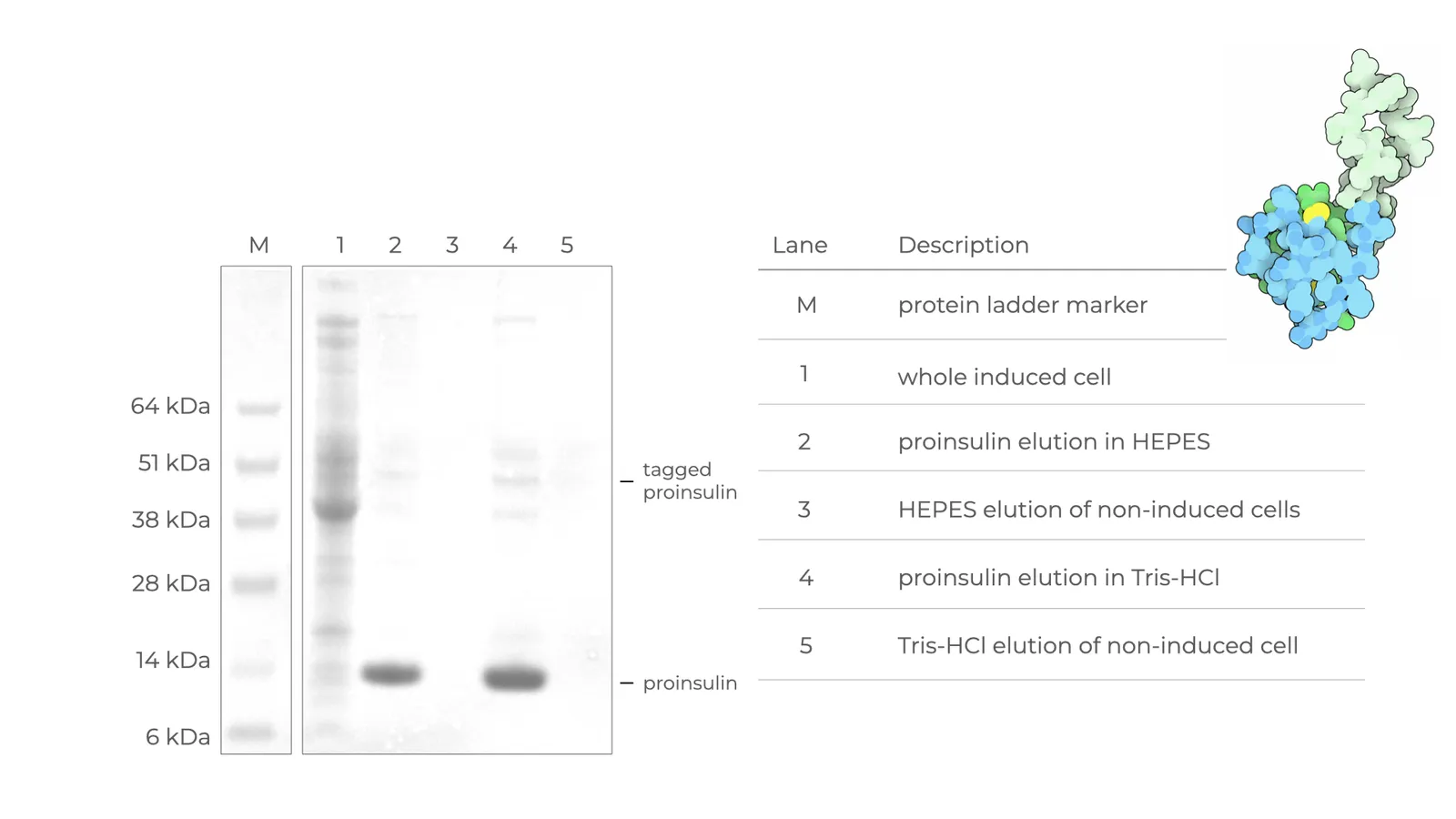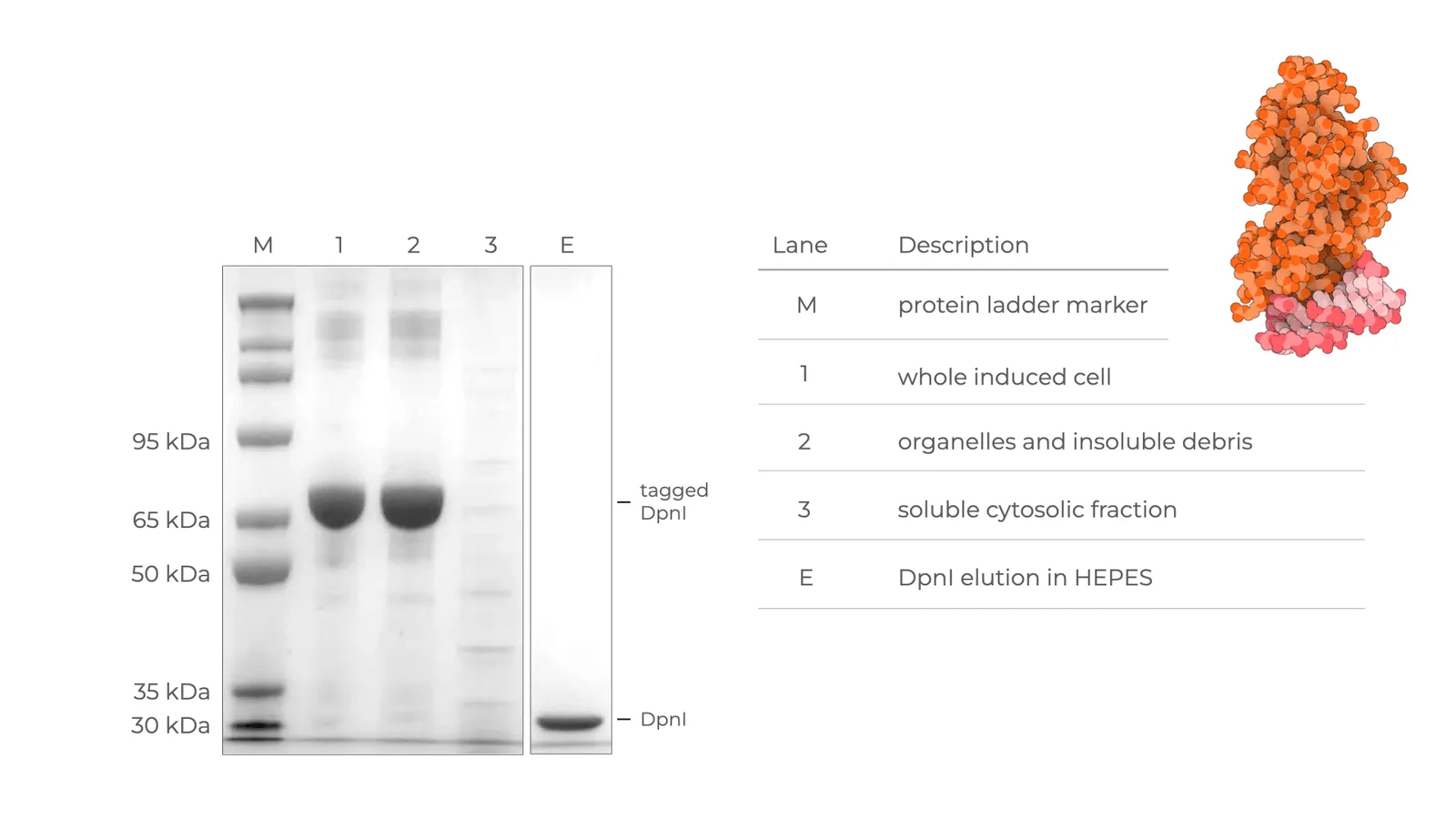



Don’t let the complexity of protein purification prevent you from using purified proteins in your research. PandaPure Protein Systems simplifies expression, purification, and integrated tag removal into a single workflow accessible to any lab.
protein purification can be much easier?
Affinity chromatography for protein purification has been around for more than 50 years. But for many labs, it still means instrument access, expensive consumables, protease cleanup, and workflows that depend on specialized purification expertise. That slows projects down and keeps pure proteins from becoming routine.
Meanwhile, cells already sort, separate, and release proteins through compartmentalized biological machinery. We asked a practical question: can that biological logic become a usable purification workflow for everyday research?
PandaPure is our answer.
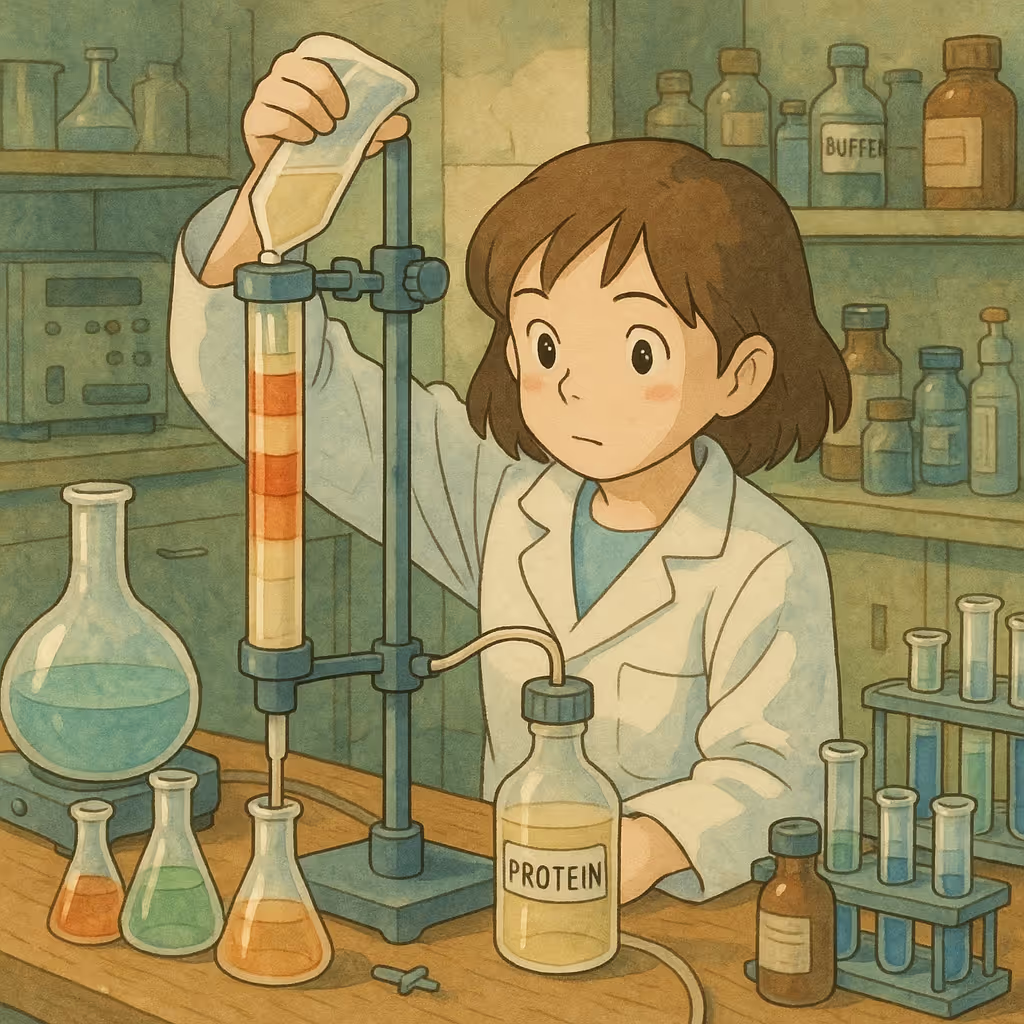
How can a new purification logic transform everyday research?
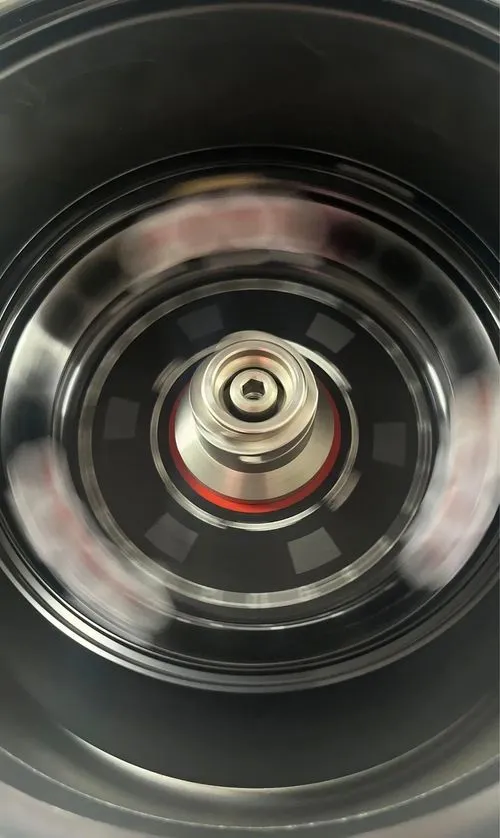
Simple operations using basic equipment. Easy to learn, easy to love.

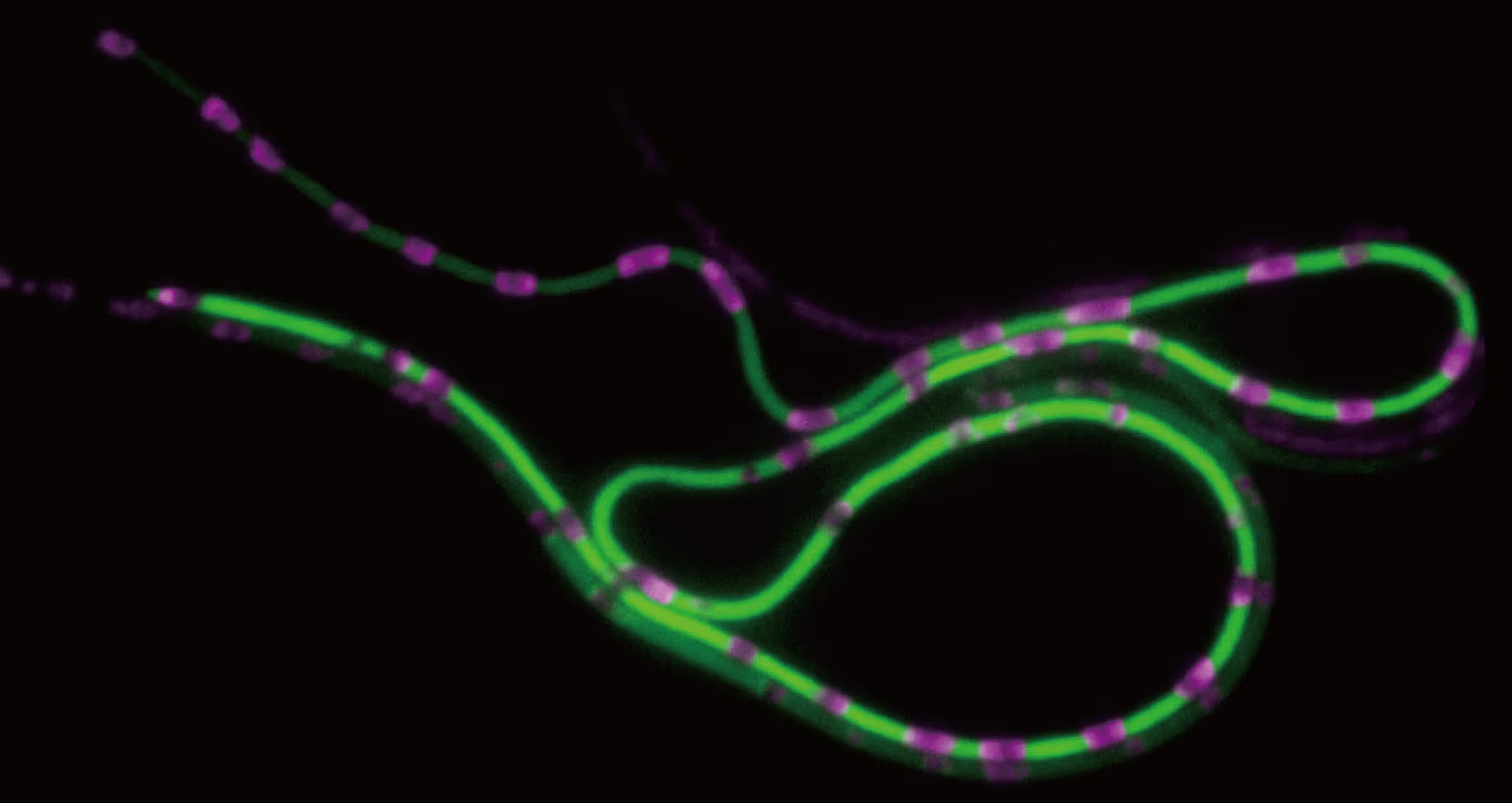
High specificity and efficiency by designer biomolecular recognition.

Cells do more, you work less, reducing bench hours and operational steps.
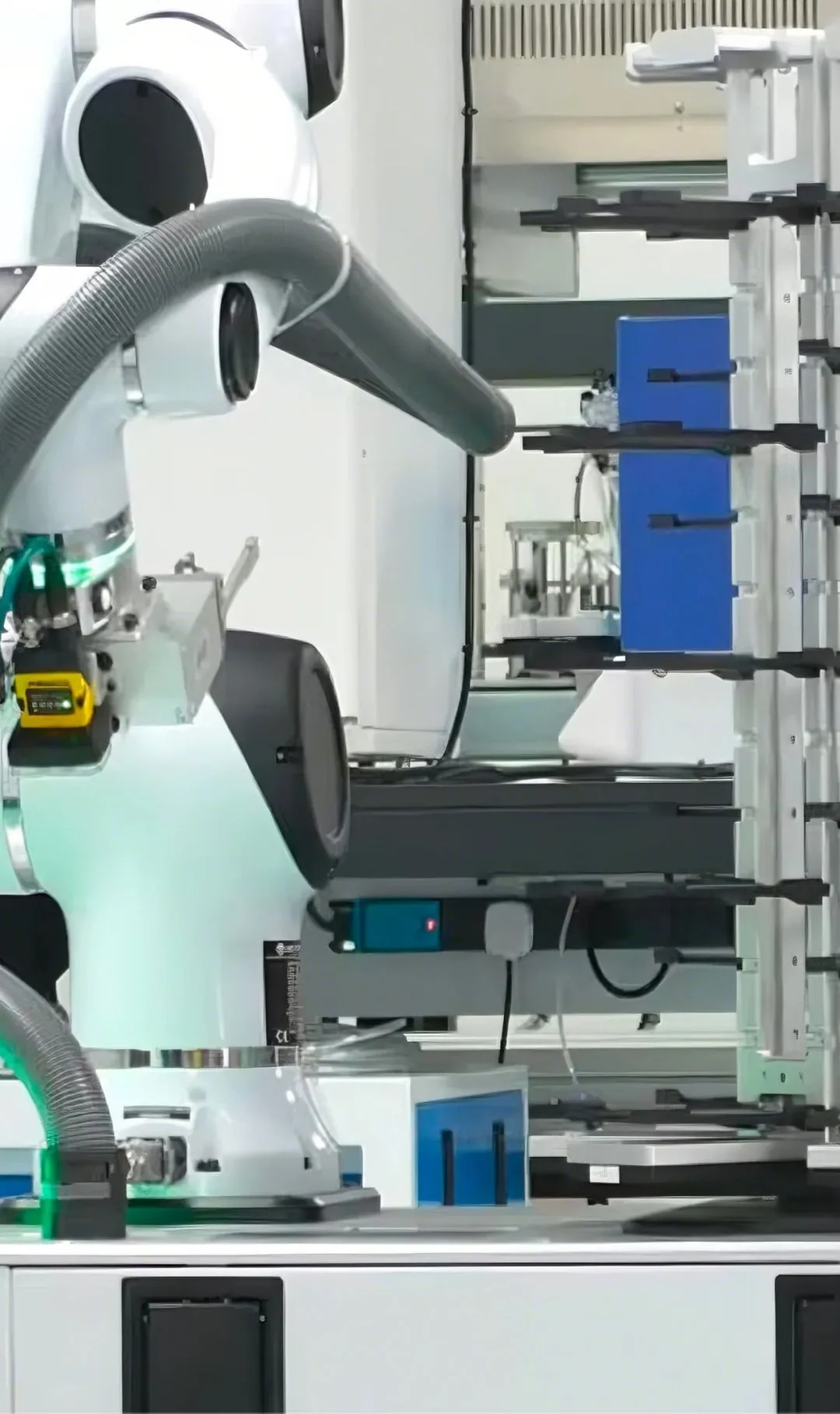
Deploy PandaPure in microplates with lab automation for high throughput.
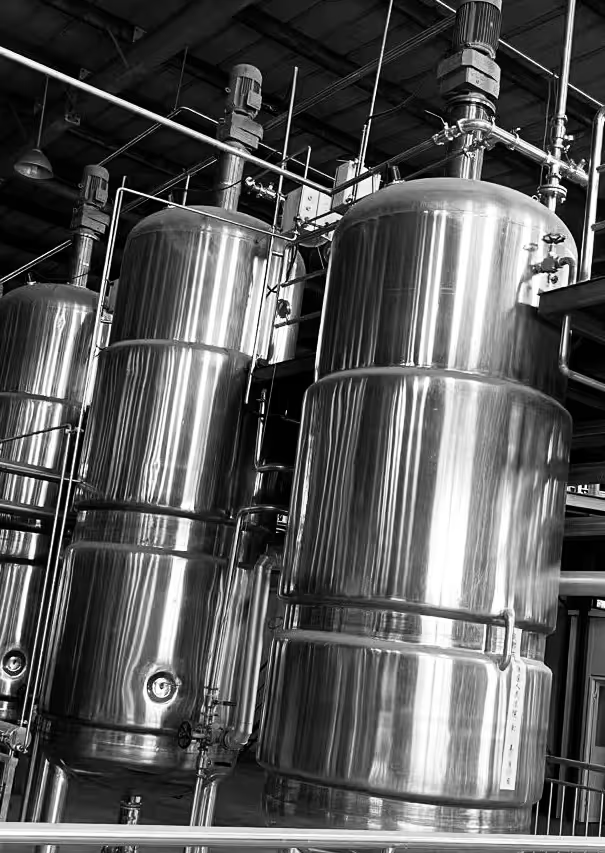
Carry the same logic from microplate to bioreactors with no redesign.
Discover how we seamlessly blend expression, purification, and tag removal.
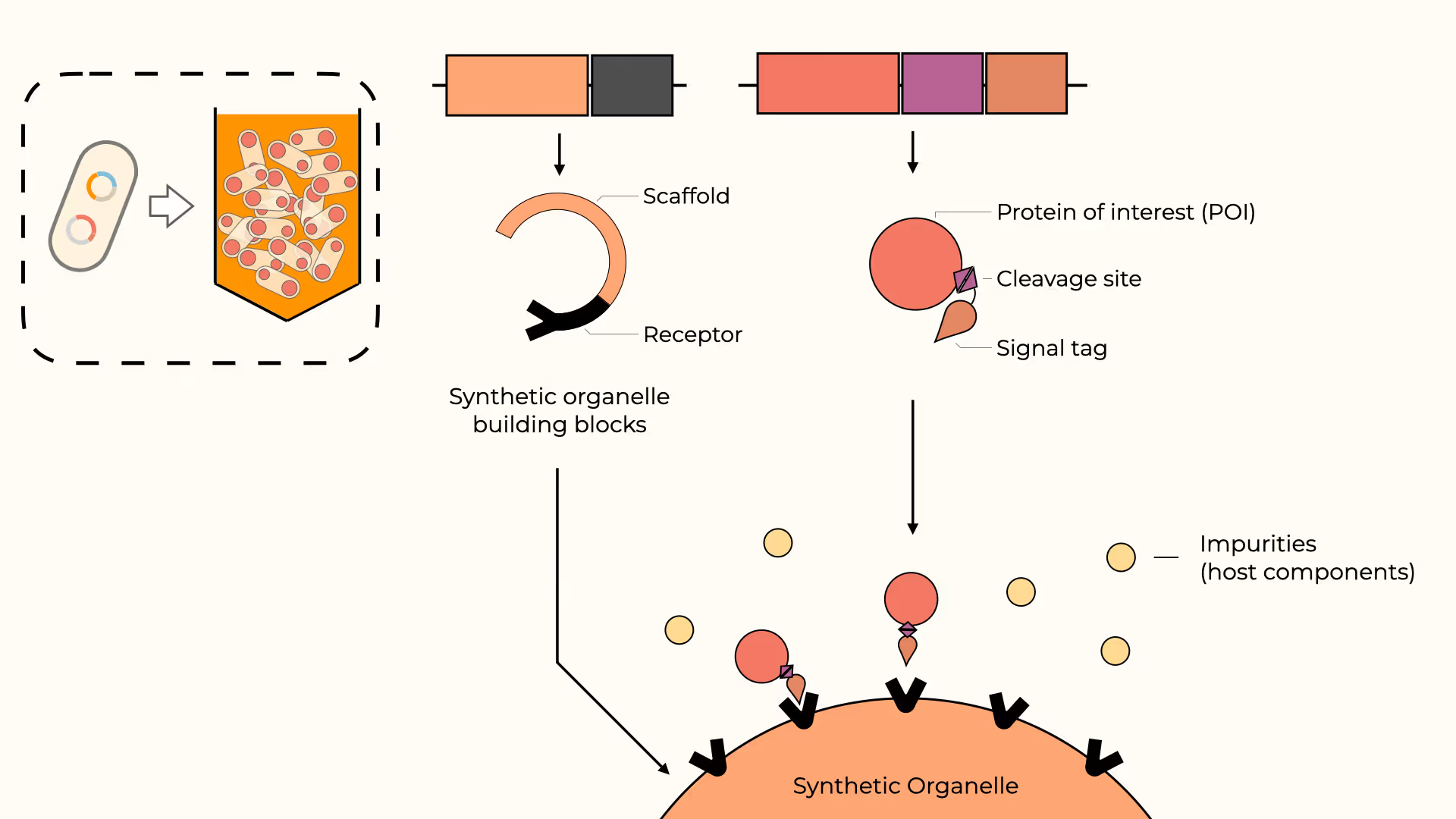
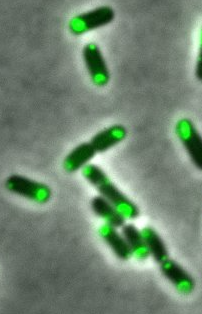
Co-express protein targets and synthetic organelle building blocks†. Synthetic organelles assemble inside the cell, and capture the targets specifically.
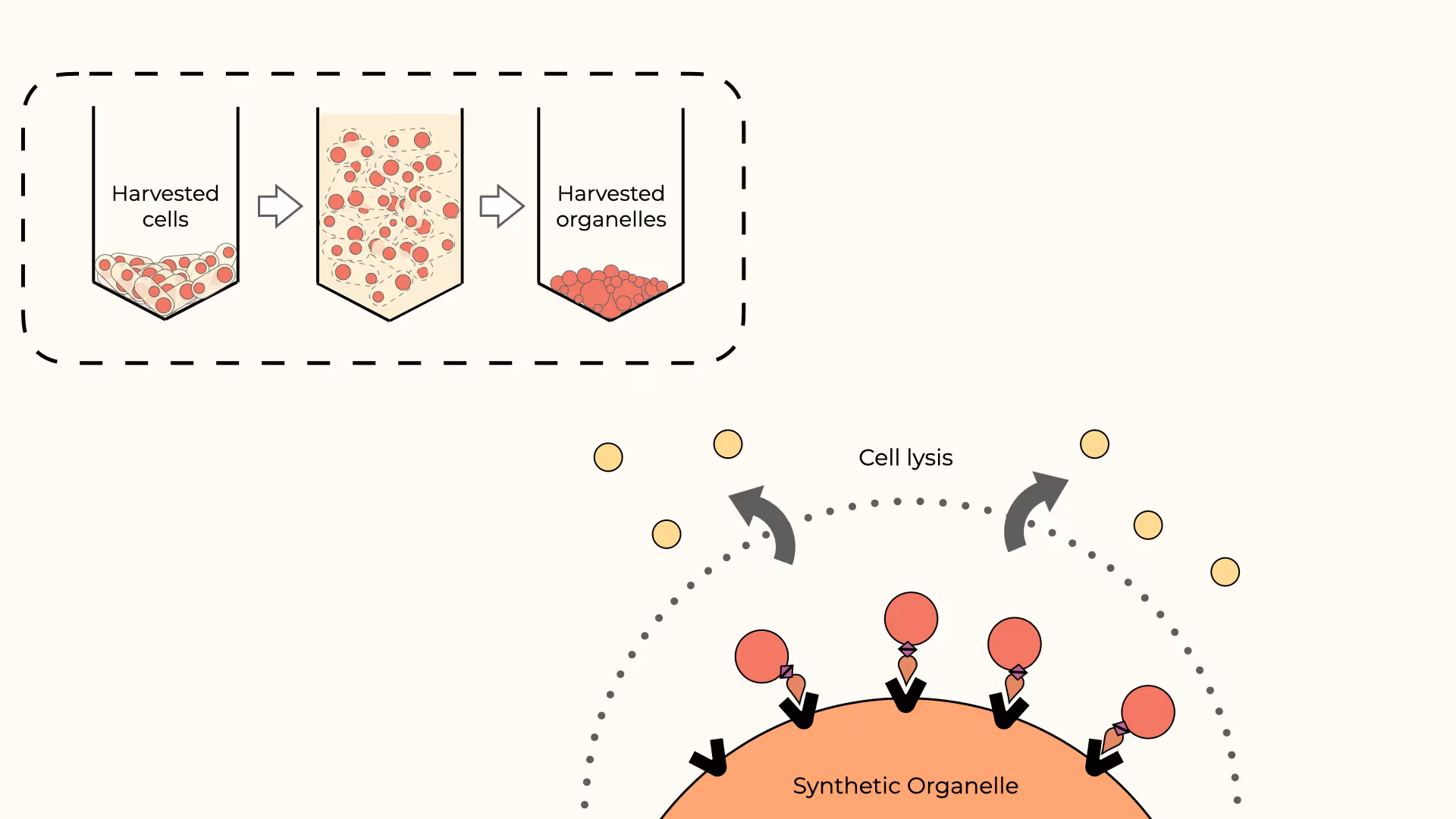
Open the cell envelope, and release host cell components‡. The dense organelles are then isolated from soluble impurities with simple separation like centrifugation§.
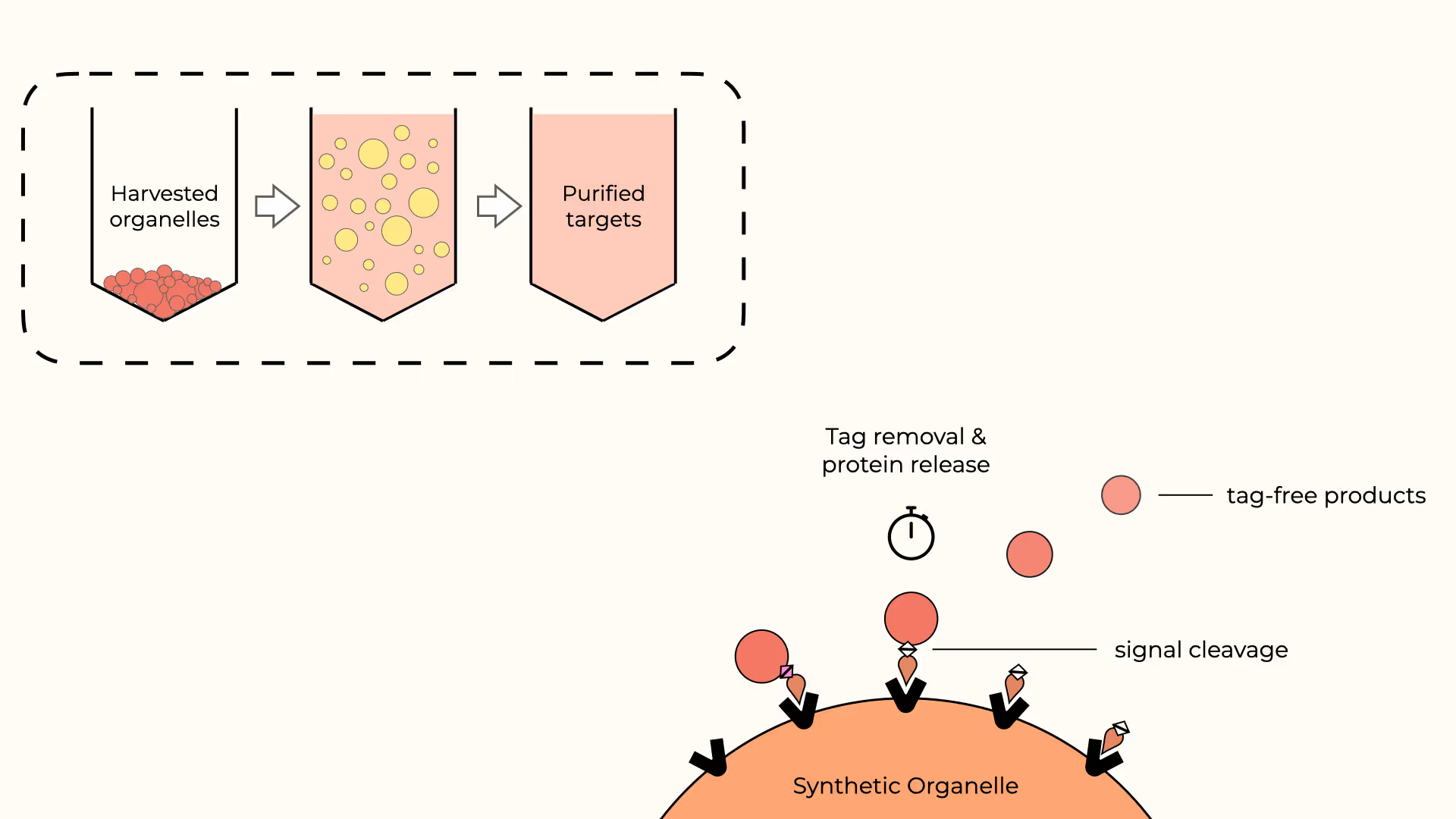
Release the target from the organelle by PandaPure protein tag cleavage chemistry¶, and then collect the protein products from the supernatant by one final spin.
See results for protein purification, and stories more than just purification.
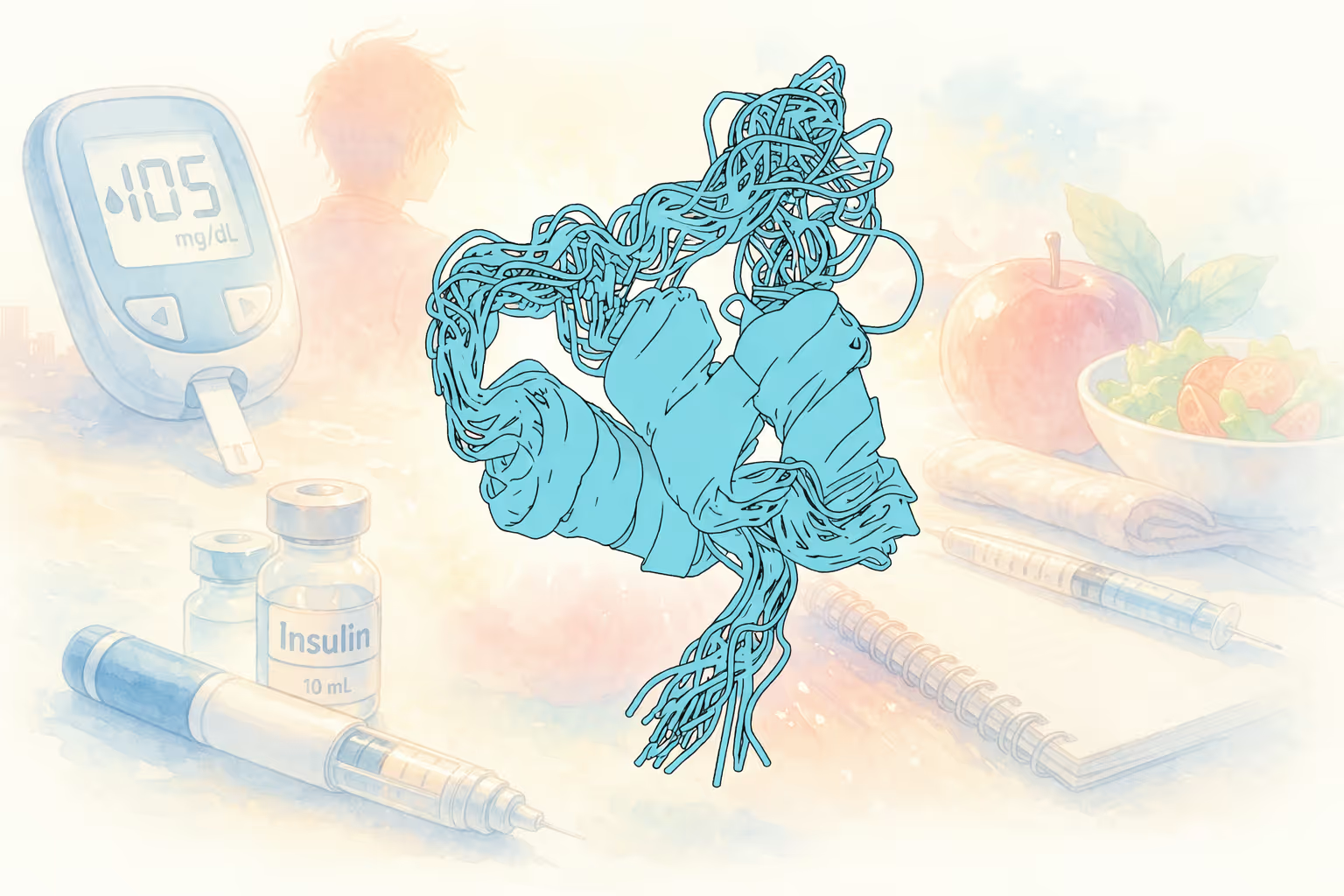
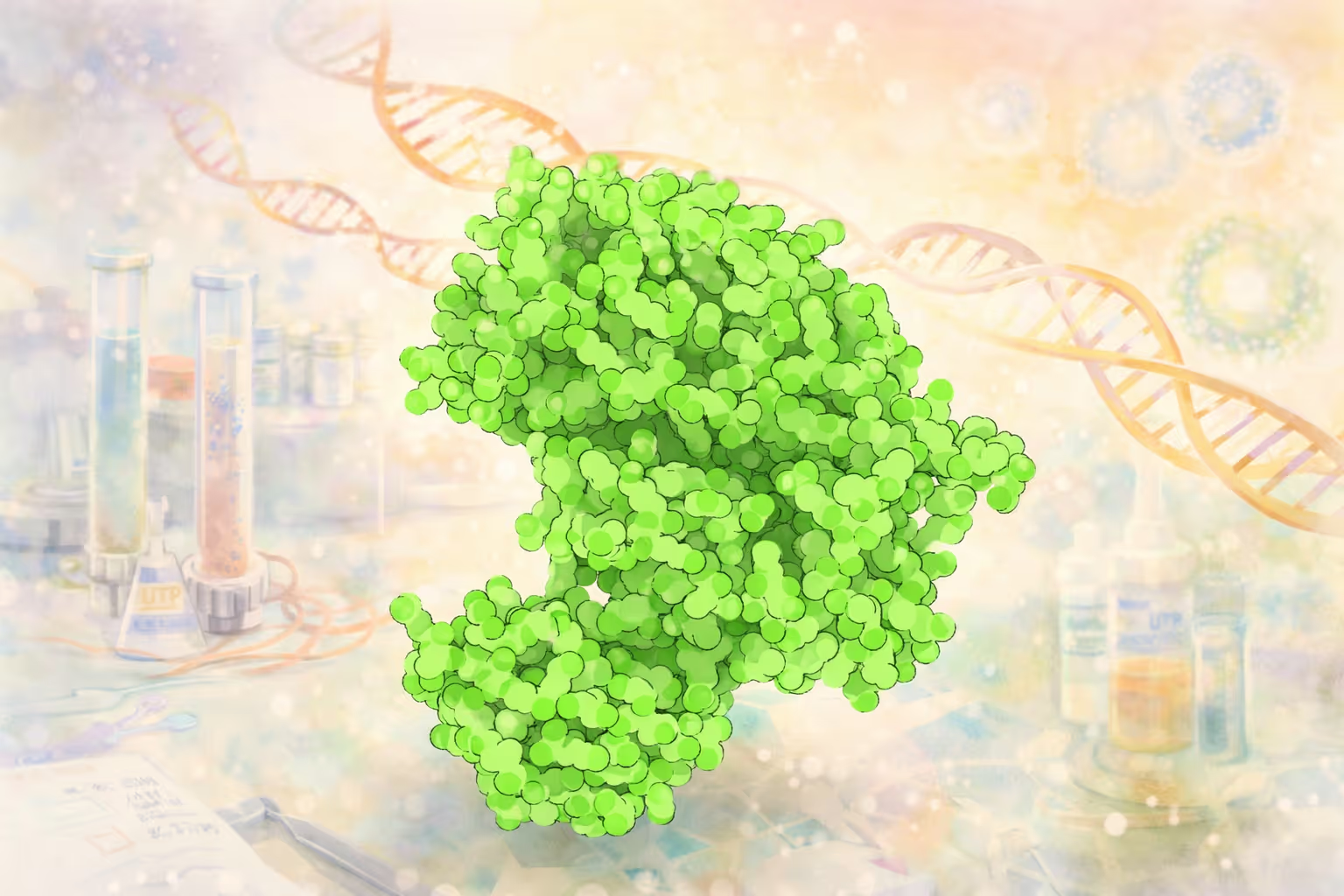
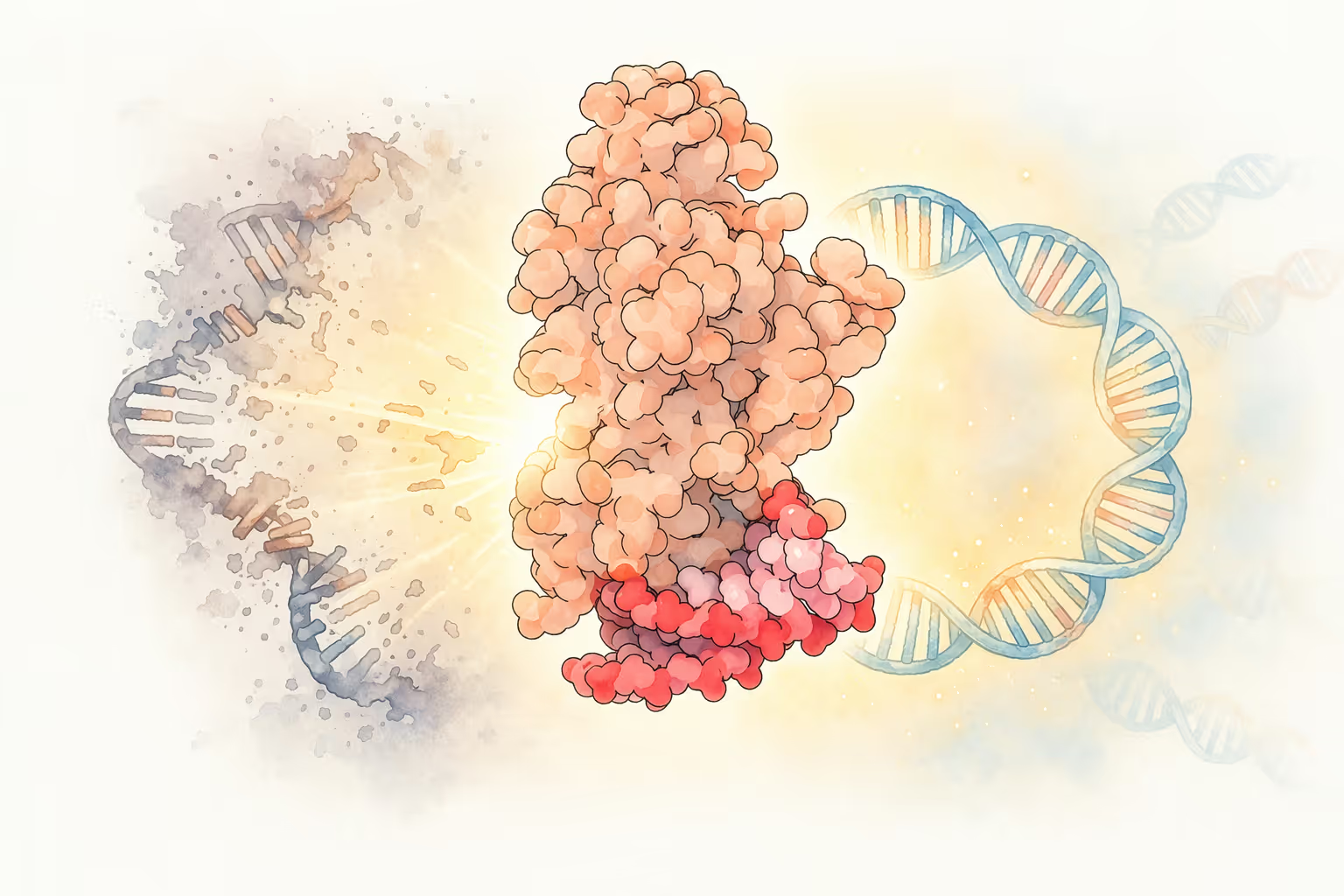
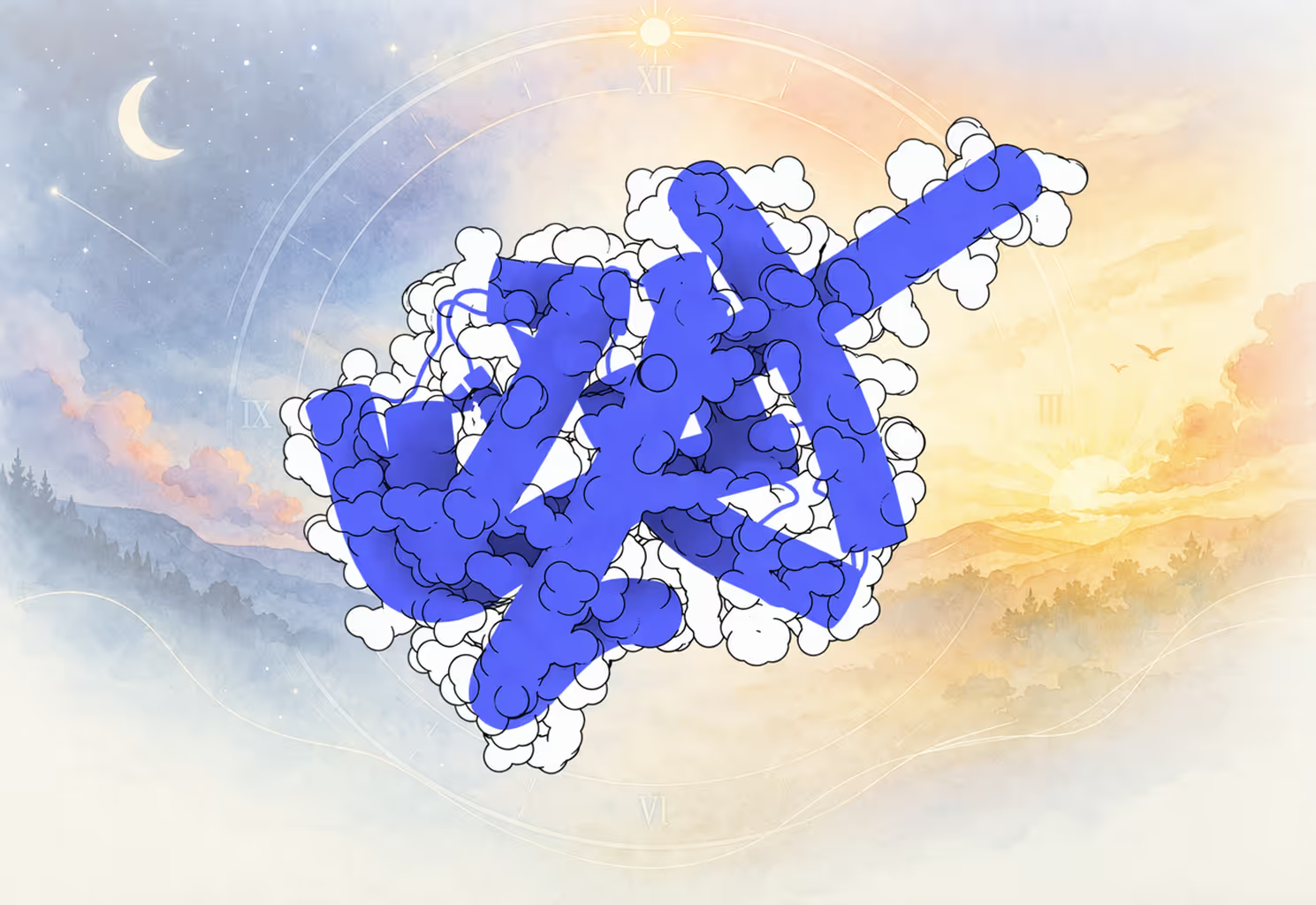
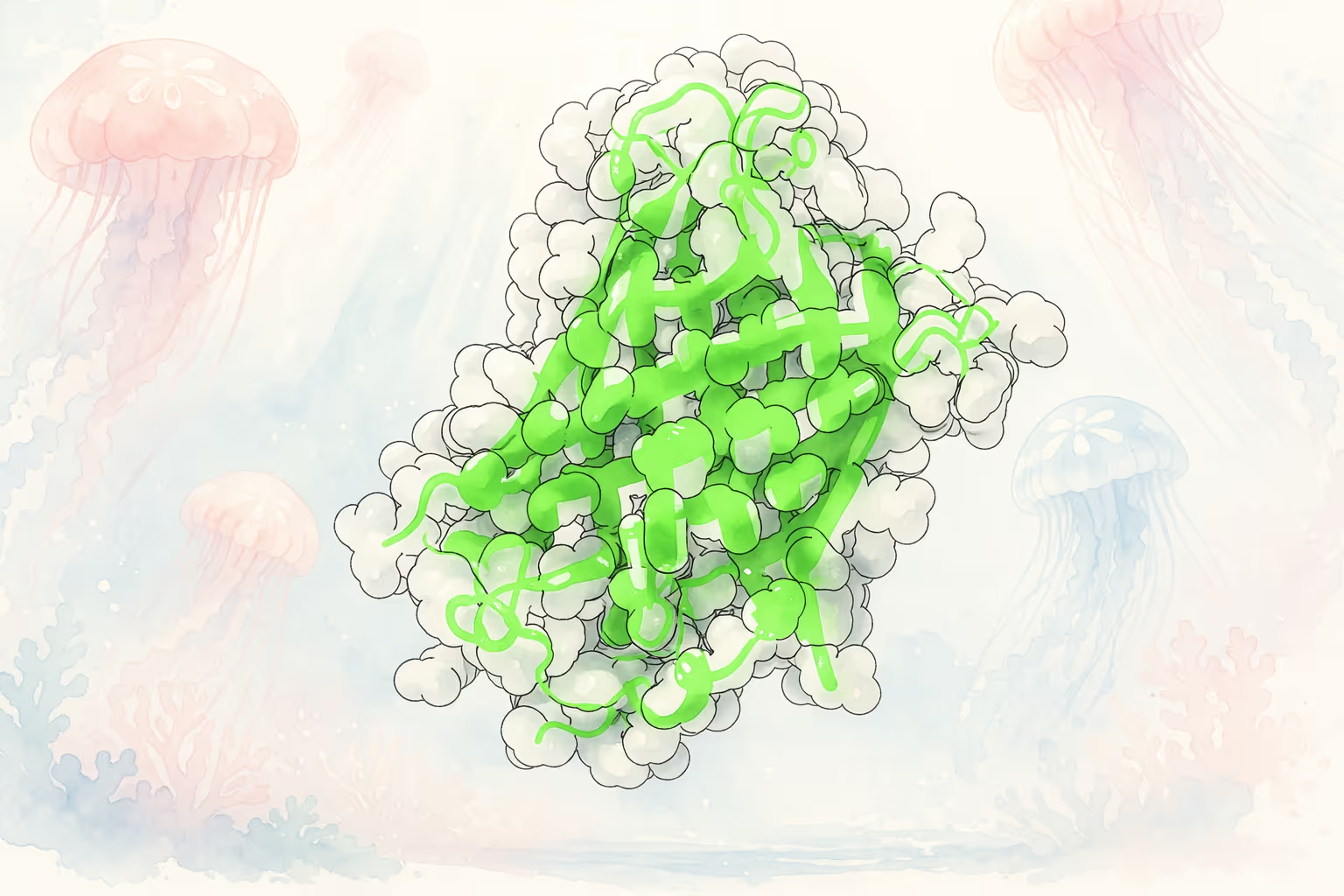
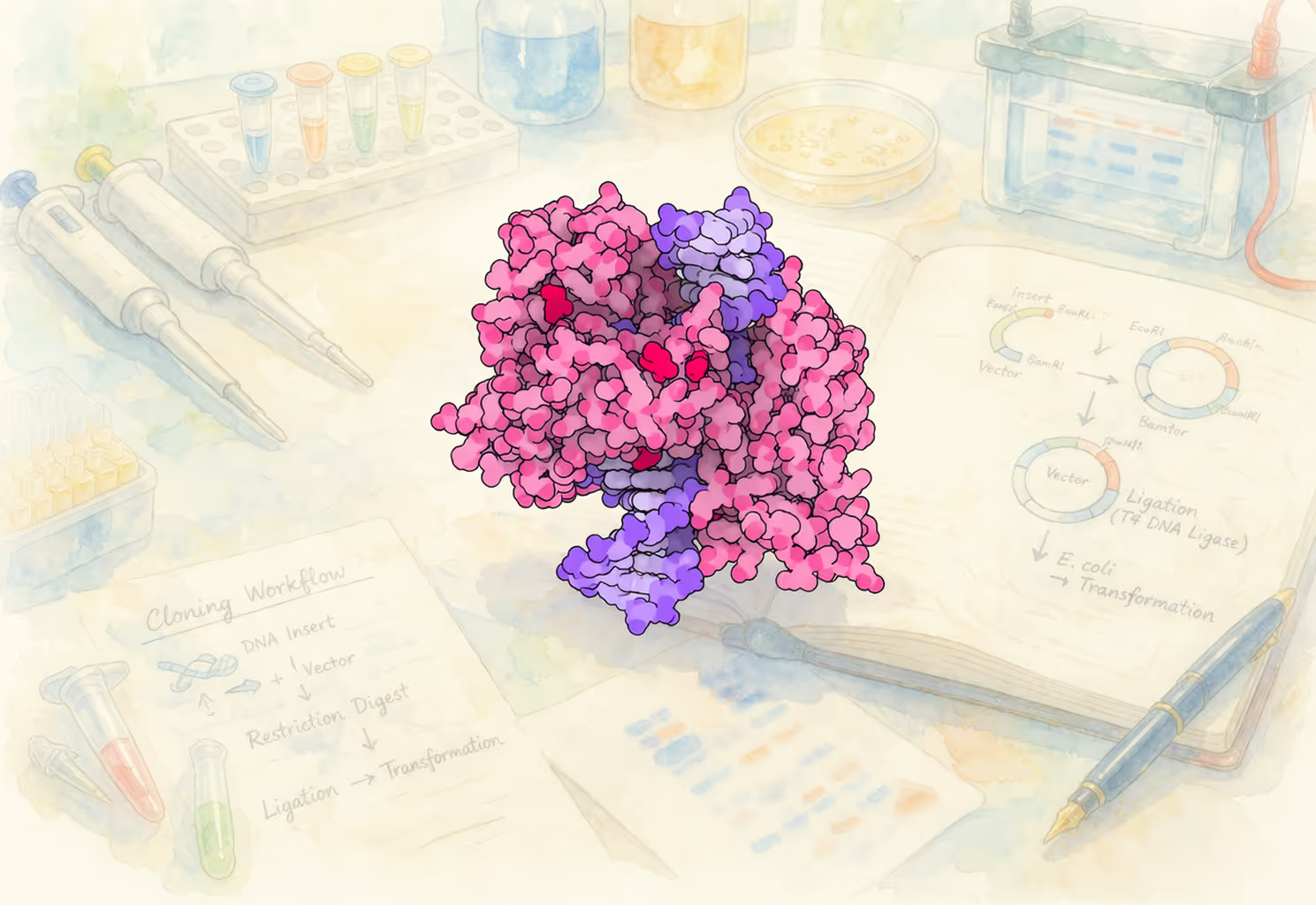
Select a starting point that fits your needs best.

Lesser Panda
A lean package for teams seeking only the core PandaPure system with a lighter starter. Gain the flexibility to explore your own workflow and buffer conditions, with the ability to scale by adding more vectors and reagents as needed.
$890
Includes
TEAR-2 organelle
encoded in pTEAR-2.
Classic C-terminal tag
encoded in pPEV-2 with multi-cloning sites.
GFP positive control †
encoded in pPEX-GFP-1.
& onboarding support
PandaPure Protein Tag Cleaver ‡
0.2-mL of 250x stock, typically used for up to 50-mL standard tag-cleavage/recovery reactions, with the flexibility to Bring Your Own Buffer.
License
For research use only

Standard
The simplest way to adopt standard PandaPure workflows in your facility. A comprehensive setup of featured vectors, abundant reagents, and dedicated construct services streamlines your onboarding experience.
$1,980
includes
TEAR-2 organelle
encoded in pTEAR-2.
4 vectors to enable various configurations §
including classic, high-affinity, IEX mini-peptide tags, encoded in pPEV-1/2/3/4 vectors.
GFP positive control
encoded in pPEX-GFP-1.
& onboarding support
PandaPure Protein Reagent Kit.
The kit provides Tag Cleaver and Buffer (HEPES) for 250-mL standard tag-cleavage/recovery reactions (i.e., cat. RM003).
Complimentary Construct Service ¶
Design, synthesis and cloning of 1 gene up to 600 amino acids, into 5 chosen expression systems. Valid for 6 months.
License
For research use only
Reagent kits and add-ons.
PandaPure™ Protein Reagent Kits
PandaPure Protein Reagent Kits provide coordinated components for tag cleavage and protein recovery reaction in the standard format. Each kit includes PandaPure Protein Tag Cleaver (250x stock) and PandaPure Protein Buffer (HEPES).
In a standard workflow, Tag Cleaver and Buffer can be used to prepare 1x PandaPure Protein Reagent to support protein recovery out of the synthetic organelles. The resulting reagent is compatible with common downstream applications, e.g., SDS-PAGE and Bradford assay analyses.
Compatible buffers, additives, and alternative handling strategies may be used after validation for specific targets and applications.
Broader backbone options ranging from cold-temperature induction to chaperone fusions.
Ready to use reagents for gentle disruption of E. coli to remove host cell components.
Verified labwares to further improve experiences or performance of PandaPure.
Explore the synthetic organelle and compatible signal tags targeting the organelle, currently offered in PandaPure Protein System.
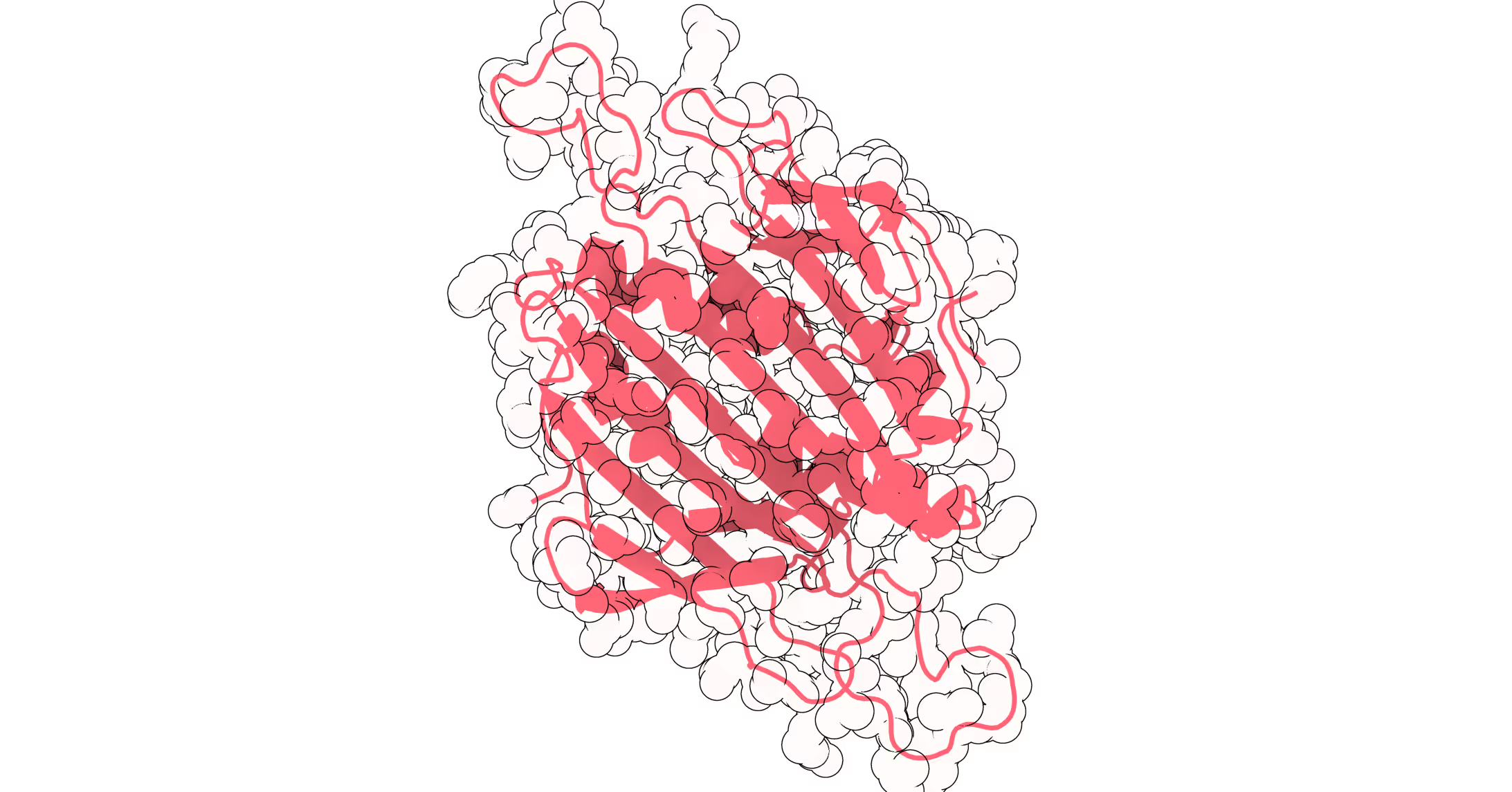
Classic tag.
Tandem-dimeric RNA binding protein, the classic option for RNA tagging.
included in
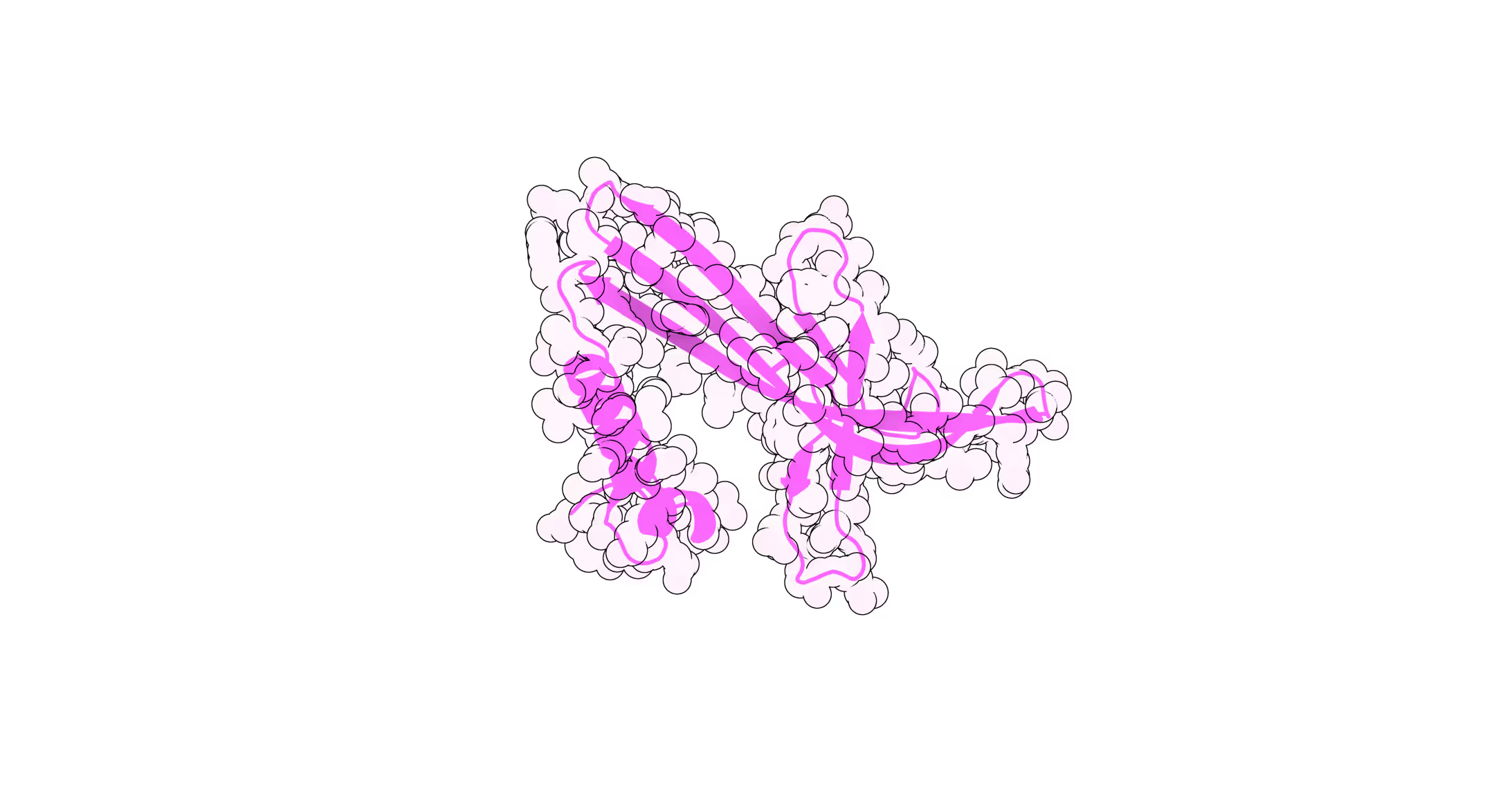
High-affinity tag. 2X payload.
Monomeric tag with improved binding affinity, enabling two proteins of interest per aptamer binding site.
included in
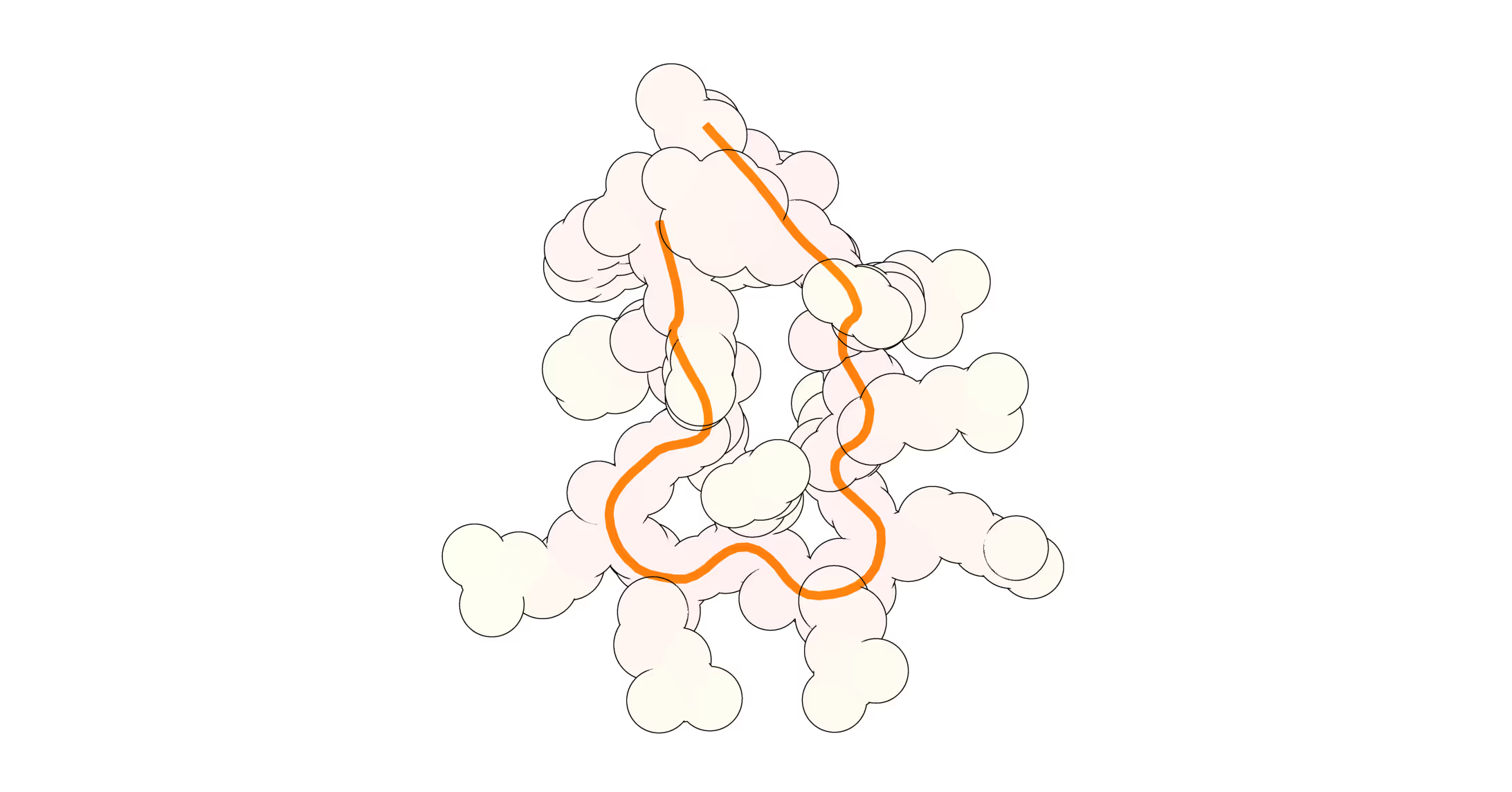
IEX tag. Only ~ 18 amino acids.
Signal peptide tag that binds to TEAR-2 electrostatically, ideal for large proteins that require smaller fusion tag for better expression.
included in
PandaPure Protein Systems fundamentally changes purification economics, shifting expenses from recurring resin-based consumables to a biological program that cells can regenerate for you.


The same design logic that reduces purification overhead also significantly reduces material intensity and waste.
PandaPure eliminates the necessity for chromatography resins, columns, and beads within the primary workflow, thereby removing one of the most material- and resource-intensive components of traditional purification processes.
PandaPure employs synthetic organelles, designed from genetic codes, to undertake purification roles usually performed by external solid-phase substances. This strategy ensures that all utilized materials are biodegradable in the environment.
PandaPure eliminates the need for resin washing, repeated buffer exchanges, and protease cleanup processes, thereby minimizing water consumption, reducing disposable plastic usage, and decreasing downstream process waste.
Get clear answers on how PandaPure accelerates your R&D.
PandaPure replaces expensive FPLC systems and columns with programmable biological organelles. This eliminates the need for solid supports, significantly reducing hands-on time, and can improve yields and purities.
Just standard lab essentials, i.e., a centrifuge, pipettes, and an incubator, are enough to start PandaPure. No FPLC is required. To further scale it, you can apply bioreactors, liquid handlers, and filtration units.
Yes. The protocol scales seamlessly to 96-well deep-well plates and is compatible with liquid handling automation (e.g., OT-2), making it ideal for library screening.
The cleavage site ensures precise tag removal. C-terminal designs leave minimal residues (only one glycine), while N-terminal designs leave a short sequence.
The current Protein Series is a generic design for producing recombinant proteins in E. coli. Systems for yeast, mammalian, and other hosts or targets are in development — subscribe to get the latest updates.
We validate a wide range of methods, including mechanical disruption and mild detergents. If you are new to protein purification, we recommend to adopt PandaPure Lysis Reagent to get an easy start.
Join teams worldwide across top pharma, life science companies, biotech startups, and academic labs using PandaPure to simplify protein production and purification.